The 25 Best Zombie Movies of All Time: A Definitive Guide to Cinema’s Undead Legacy
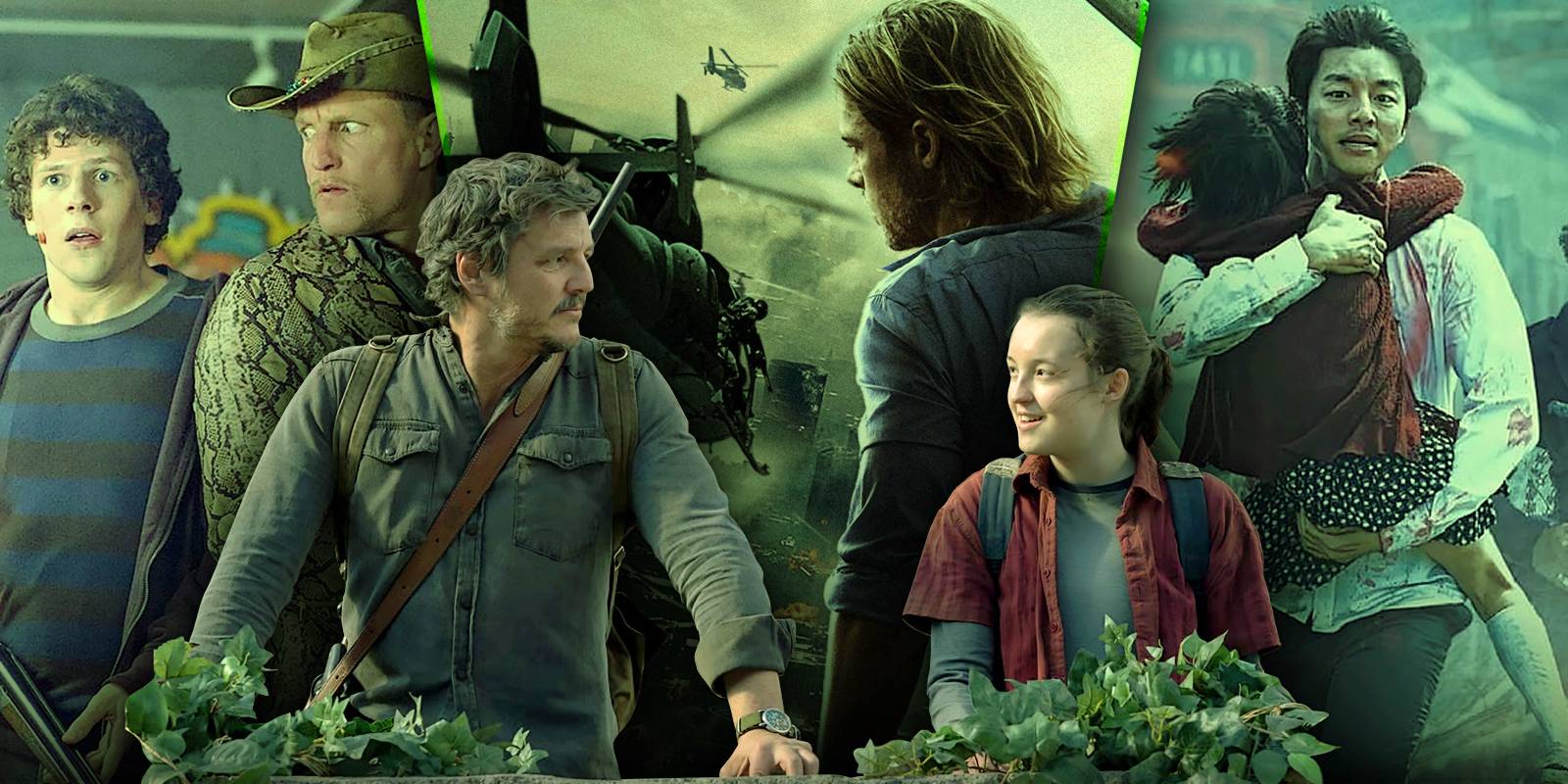
For as long as cinema has existed, audiences have been fascinated—perhaps even obsessed—with the walking dead. Zombies, in all their decaying, shambling, flesh-gnawing forms, have survived decades of reinvention. They are cinematic shapeshifters: sometimes slow, sometimes fast, sometimes tragic, sometimes hilarious, but always reflective of the anxieties of the era that births them. From Cold War paranoia to modern pandemic fears, zombie films have become a cultural mirror as much as a genre staple.
In recent years, even movie-searching culture—often funneled through aggregator like MLWBD, which audiences use to simply find where films are streaming—shows how enduringly curious viewers remain about zombie stories old and new. People want to revisit the classics, discover overlooked gems, and see how today’s filmmakers continue evolving the form.
With that in mind, here is a meticulously crafted, expertly curated deep-dive into the 25 greatest zombie movies ever made—a blend of epoch-defining masterpieces, riotous horror-comedies, and fiercely inventive modern riffs on the undead mythos.
How These Films Were Chosen
To assemble this definitive ranking, we start with the core pillars of great zombie cinema:
1. Artistic Merit
Cinematography, direction, writing, acting, and technical innovation all play major roles. Some of the films here are low-budget wonders, but each offers something significant to the craft of filmmaking.
2. Cultural Impact
Did the movie redefine zombie lore? Did it create a trend, influence wider pop culture, or reshape how audiences think about the undead? These factors weighed heavily.
3. Genre Legacy
Zombie cinema is broad: atmospheric slow-burns, splatterpunk gore-fests, family-friendly animations, philosophical dramas, and chaotic action epics. This list honours that diversity.
4. Staying Power
A great zombie film should linger in the mind—sometimes for its scares, sometimes for its emotional weight. Longevity matters.
What follows is not just a list, but a celebration of the undead’s most artful cinematic incarnations.
The 25 Best Zombie Movies of All Time
25. Tombs of the Blind Dead (1972)
Amando de Ossorio’s eerie Spanish cult classic opens this list with slow, spectral horror. The undead Templar Knights—gaunt, skeletal, monstrous—remain among cinema’s most haunting creations. Though rough around the edges, the film’s atmosphere is unforgettable.
24. Planet Terror (2007)
Robert Rodriguez unleashes a deliriously gory love letter to grindhouse cinema. With its scratched film edges, missing reels, over-the-top effects, and a machine-gun-leg heroine, it’s exploitation cinema done with a wink and a wild grin.
23. Dead Snow (2009)
Nazi zombies in the frozen Scandinavian mountains. Blood-red carnage splashed across unbroken white snow. Tommy Wirkola’s cult hit gleefully leans into absurdity, offering a pulpy, chainsaw-revving thrill ride.
22. Cargo (2017)
Martin Freeman gives one of the most quietly heartbreaking performances in zombie film history. Set against sweeping Australian landscapes, Cargo transforms the genre into an intimate story of parental sacrifice and hope.
21. The Sadness (2021)
One of the darkest and most extreme zombie films ever made. Taiwanese director Rob Jabbaz crafts a violent, relentless nightmare that pushes infection-horror to disturbing psychological depths. Not for the faint of heart.
20. ParaNorman (2012)
A rare family-friendly entry, ParaNorman blends stop-motion artistry with genuine emotional insight. It’s a zombie film that teaches empathy, celebrates outsiders, and still delivers wonderfully spooky fun.
19. Pontypool (2008)
Zombies transmitted through language? Pontypool is a tense, cerebral horror set almost entirely in a radio station. Stephen McHattie’s performance anchors one of the most original takes on the genre ever conceived.
18. The Girl With All the Gifts (2016)
Fungal “hungries,” militarised survivalism, and a gifted young girl at the centre of humanity’s fate. Colm McCarthy’s adaptation is smart, atmospheric, and full of surprising tenderness.
17. [REC]² (2009)
Where the first film trapped viewers inside chaos, the sequel expands the mythos with action, occult horror, and new perspectives. A relentless and cleverly constructed continuation.
16. Zombie Flesh Eaters (1979)
Lucio Fulci’s visceral, maggot-infested gore opera. From voodoo curses to the infamous zombie-versus-shark scene, it’s a cornerstone of European horror excess.
15. World War Z (2013)
Hollywood’s only true zombie blockbuster. Massive scale, global stakes, and terrifying swarms of fast zombies—Marc Forster’s film delivers spectacle on a scale the genre rarely sees.
14. Zombieland (2009)
Rule #1: Cardio. A sharp, irreverent comedy boosted by pitch-perfect performances and a legendary Bill Murray cameo. Zombieland is endlessly quotable and deliriously fun.
13. Dawn of the Dead (2004)
Zack Snyder’s high-velocity reimagining of Romero’s classic shocked audiences with fast zombies and a punch-in-the-gut opening sequence. A modern horror staple.
12. One Cut of the Dead (2019)
A film impossible to summarise without spoiling—so let’s just say it’s one of the most inventive, joyous, and unexpectedly emotional zombie films ever made. A future cult legend.
11. The Return of the Living Dead (1985)
Punk rock, running zombies, talking zombies, and a craving for “braaains.” Dan O’Bannon’s anarchic horror-comedy is pure undead energy.
10. Re-Animator (1985)
Jeffrey Combs’ mad scientist antics and a neon-green reanimation serum fuel a bizarre, delightful, and deeply perverse Lovecraft-inspired splatter classic.
9. 28 Years Later (2025)
Danny Boyle and Alex Garland return to the saga with a sweeping, emotionally charged epic that bridges generations. Part intimate drama, part survival odyssey—one of the boldest reinventions yet.
8. [REC] (2007)
Claustrophobic, breathless, white-knuckle horror. A found-footage masterpiece that traps viewers in a doomed apartment block with feral infected and escalating dread.
7. Braindead (1992)
Before Middle-earth, Peter Jackson was drowning audiences in blood—literally. Braindead (a.k.a. Dead Alive) is perhaps the goriest film ever made, yet still hilarious and surprisingly charming.
6. Night of the Living Dead (1968)
The genesis of modern zombie cinema. George A. Romero’s indie classic blends social commentary, raw tension, and unforgiving nihilism. Without this film, the genre wouldn’t exist.
5. Train to Busan (2016)
A propulsive South Korean masterwork. Gripping action, superb characters, and breathtaking choreography make this one of the most universally beloved zombie films of the century.
4. Shaun of the Dead (2004)
The ultimate rom-zom-com. Edgar Wright’s breakout hit is simultaneously hilarious, heartfelt, and cleverly cinematic. A modern classic that rewards infinite rewatches.
3. 28 Days Later (2002)
The film that rewired the zombie genre for a new generation. Danny Boyle’s rage-infected nightmare reintroduced kinetic urgency and apocalyptic mood to horror cinema.
2. Day of the Dead (1985)
Romero’s darkest and most philosophical Dead film. With themes of scientific ethics, militarism, and the fragility of civilisation, Day remains tragically relevant.
1. Dawn of the Dead (1978)
The mall. The satire. The gore. The characters. The cultural resonance. Romero’s magnum opus remains the greatest zombie film ever made—funny, horrifying, thoughtful, and endlessly influential. An era-defining blend of carnage and commentary.
Why Zombie Cinema Endures
Zombie movies fascinate because they sit at the intersection of the familiar and the uncanny. They twist our understanding of humanity—turning neighbours, friends, and even family into threats. They dramatise survival, morality, and community. And they evolve endlessly:
- Classic zombies embody societal collapse.
- Fast zombies reflect modern anxieties and speed of disaster.
- Infected humans blur lines between monster and victim.
- Horror-comedies help us laugh at our fears.
- Existential dramas turn the apocalypse into poetry.
- Animated and family-friendly films reinvent the genre for new generations.
Even in an age of streaming, search engines, and global movie discovery—whether through mainstream platforms or search culture shortcuts like MLWBD—zombie films persist as one of the most accessible entry points into horror for worldwide audiences.
Final Thoughts: The Undead Future
The zombie genre is nowhere near “dead.” New filmmakers continue to innovate, reflecting the shifting fears of their times—pandemics, politics, technology, climate crises, and more. As long as humanity worries about its future, zombie narratives will endure, reminding us that the line between civilisation and chaos is terrifyingly thin.
And perhaps that’s the true power of the zombie movie:
it forces us to confront not just monsters, but ourselves.