MLWBD Movie Reviews – Zootropolis 2 Review: A Visually Wondrous Return That Forgets Its Heroes
Disney Animation’s return to the bustling, species-diverse metropolis of Zootropolis comes nine years after the first film charmed global audiences and raked in over a billion dollars. In Zootropolis 2, directors Byron Howard and Jared Bush revisit the dazzling urban jungle with a story that reunites rabbit cop Judy Hopps and her sly fox partner Nick Wilde for another high-stakes investigation—this time involving exiled reptiles and a conspiracy that threatens the very foundations of their beloved city.
The result? A film bursting with visual wit, rich world-building, and vibrant character additions—yet surprisingly thin when it comes to the emotional journeys of its central duo. For all of its energy, humour, and spectacle, Zootropolis 2 is a sequel that occasionally loses track of the beating heart that made its predecessor so resonant.
Below is an expert deep-dive into what works, what falters, and why Zootropolis 2 remains—despite its shortcomings—a lively day out in the city.
A Long-Awaited Homecoming
Nine years is an unusually long gap for a sequel to a smash-hit animated feature, particularly one with as rich a world and as beloved a partnership as Judy and Nick. Yet watching Zootropolis 2, it’s clear that Disney Animation never struggled with reviving the humour, warmth, and aesthetic creativity of the original.
If anything, those elements are the strongest parts of the film.
The sticking point is the story—a narrative that feels both overcomplicated and undercooked, as though it underwent many iterations before landing on a conspiracy that isn’t quite as emotionally resonant or thematically sharp as the original’s exploration of prejudice, fear, and inclusion.
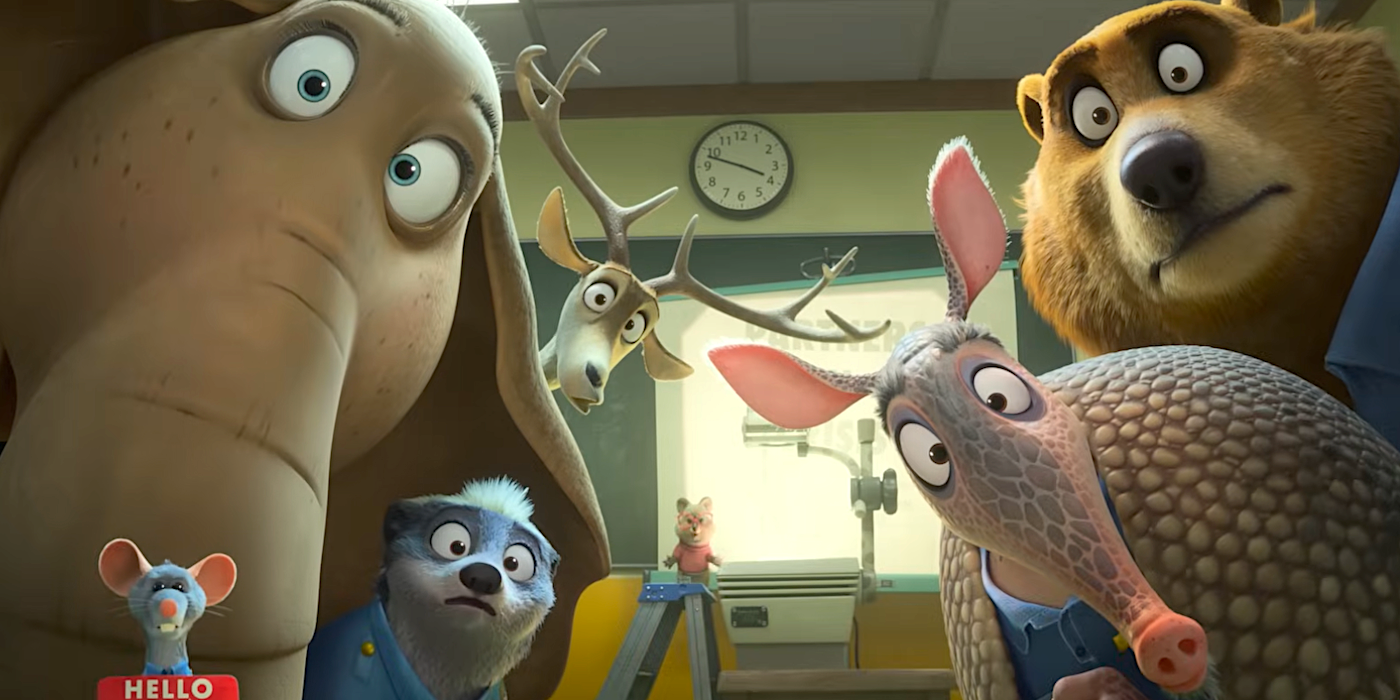
Still, returning to Zootropolis itself is a pleasure. The city once again bursts with clever visual jokes, inventive world mechanics, and an irresistible sense of imaginative possibility. From its water-borne transit systems to its neighbourhoods scaled for different species, every corner feels alive with detail. This remains one of Disney Animation’s richest, most intricately designed fictional worlds, and Zootropolis 2 revels in its strengths.
The Case: Snakes, Secrets, and Centenary Celebrations
The plot kicks off as Zootropolis prepares for its centenary celebration—100 years of interspecies harmony. Or so it seems.
Hopps and Wilde, now partners for a year, are beginning to question whether they’re fulfilling their early promise. Their chemistry remains charming, but both seem stuck in patterns familiar from the first film: Judy is relentlessly perfectionistic, Nick is charmingly cynical, and neither seems to have grown as much as expected since their original arc.
Into this comes an unexpected case. A reptile—Gary De’Snake, voiced with delightful slyness by Ke Huy Quan—has apparently infiltrated the city, despite reptiles having been exiled from Zootropolis for a century. His presence sparks alarm, suspicion, and ripples of political implications. When Judy and Nick track him down, they discover a web of allegations and conspiracies that challenge the city’s founding mythology.
The premise is compelling: what if Zootropolis isn’t the perfect harmony it claims to be? What if a whole class of animals has been excluded from its prosperity?
Unfortunately, the film never fully commits to exploring these questions. Instead, it opts for rapid-fire detective chases, comedic detours, and a road-trip-style structure that leads the duo through different districts and species communities. It’s fun, consistently entertaining, but rarely profound. The screenplay introduces social ideas but shies away from the depth that made the first film so meaningful.
Judy and Nick: A Partnership That Deserves More
One of the biggest surprises of Zootropolis 2 is how little time the film truly spends developing its central relationship. Judy and Nick remain delightful characters—Ginnifer Goodwin’s enthusiastic earnestness and Jason Bateman’s dry wit still spark beautifully—but their emotional journeys are oddly static.
A subplot attempts to explore their challenges as partners, contrasting Judy’s intensity with Nick’s go-with-the-flow skepticism. Yet the film only gestures at these tensions rather than exploring them. A single amusing couples-therapy scene offers promise, but it’s quickly overshadowed by a somewhat clunky third-act exchange full of therapy jargon that feels out of place and likely confusing for younger viewers.
It’s not that the film mishandles their dynamic—it simply sidelines it. The heart of Zootropolis was always the unlikely friendship at its core, the fox and rabbit who overcame bias and built trust. That heart still beats, but quietly, drowned out by louder plot machinery and the film’s fascination with its sprawling city.
The Real Star: The City of Zootropolis
It’s impossible not to marvel at what Disney’s animators accomplish here. Every district, species interaction, and environmental feature is crafted with joyful ingenuity. Whether it’s the sleek, serpentine designs of reptile hideouts, miniature rodent-sized billboards, or elaborate multi-species infrastructure, Zootropolis 2 is a consistent visual delight.
Some highlights:
- The water-based transit systems that snake through the city, allowing aquatic species to commute in style.
- Pun-filled pop-culture references embedded everywhere—from restaurant signs to movie posters.
- Reptile habitats that contrast sharply with mammal environments, giving the conspiracy’s geography a tactile sense of scale and danger.
- Action sequences, including a high-speed chase involving multiple species with wildly different abilities, pulled off with technical precision and comedic flair.
The city has always been the franchise’s greatest asset, and here it becomes both playground and character. Directors Howard and Bush clearly adore exploring it—sometimes, admittedly, at the expense of their protagonists.
New Characters Steal the Spotlight
While Judy and Nick feel underserved, the newcomers shine:
Gary De’Snake (Ke Huy Quan)
Gary is sly, suspicious, charismatic, and layered enough to keep the audience guessing. Quan delivers a performance that’s both comedic and grounded, making Gary one of the sequel’s most memorable additions.
Pawbert Lynxley (Andy Samberg)
A spoiled but endearing rich kid, Pawbert injects chaotic humour and unexpected depth. Samberg’s delivery offers bursts of energy that elevate every scene he appears in.
These characters help widen the world’s scope, revealing class divides, historical injustices, and political tensions beneath the city’s utopian exterior. Yet they also contribute to the film’s imbalance: with such entertaining new players, Judy and Nick often feel like supporting characters in their own story.
A World-Building Triumph with a Narrative Identity Crisis
Disney’s ambition in Zootropolis 2 is clear. The filmmakers want to expand the world significantly, introduce new species politics, explore the history of inter-species relations, and deliver a twisty police adventure—all while maintaining the comedic tone and action-packed pacing of the first film.
It’s an admirable challenge, but the result is a story that’s more sprawling than cohesive.
While the conspiracy plot is engaging, it lacks the thematic precision of the original. The first film used genre tropes to tell an allegory about prejudice and systemic inequality; the sequel nods toward similar issues but seems afraid to fully commit. Instead, it circles around the edges—raising questions about species segregation, power imbalances, and historic wrongs but resolving them with broad, optimistic strokes rather than sharp commentary.
Children will undoubtedly enjoy the colourful characters, slapstick humour, and breakneck pacing. Adults may find deeper satisfaction in the clever city design and nuanced world-building. But the powerful emotional resonance that made Zootropolis a cultural moment isn’t quite recaptured.
Action, Humour, and Heart—Just Not Enough Balance
Despite narrative missteps, Zootropolis 2 is never dull. The action is imaginative and thrilling. The sleuthing sequences are packed with intelligent visual clues. The humour—especially species-specific jokes—lands consistently, with some running gags ranking among the funniest in recent Disney memory.
The film is at its best when Judy and Nick are allowed to simply be themselves: bickering, bantering, and solving puzzles with their signature blend of earnestness and cunning. Moments like these remind audiences why the pair became such instant fan favourites.
It’s just a shame that these grounded emotional beats are overshadowed by a plot that tries to do a little too much, a little too quickly.
Final Verdict: A Vibrant, Flawed, but Joyful Return
Zootropolis 2 is a film bursting with energy, creativity, and humour. It’s colourful, clever, and visually stunning—an animated playground that rewards repeat viewing. New characters shine, the city feels more alive than ever, and the conspiracy plot offers enough intrigue to keep audiences engaged from start to finish.
Yet the film struggles with narrative focus. By widening its scope so dramatically, it inadvertently sidelines the characters who made the original so beloved. Judy and Nick deserve deeper development and stronger emotional arcs, especially in a sequel nearly a decade in the making.
Still, despite these issues, Zootropolis 2 is undeniably fun—a breezy, entertaining adventure that reminds viewers why visiting this city is such a treat. Even when it loses its way, the journey remains delightful.
Rating: 3.5 out of 5 stars — A visually extraordinary, energetically told sequel that entertains thoroughly, even if it lacks the emotional depth and tight storytelling of the original.
!