
“The Rip” Review: A Tense, Morally Complex Crime Thriller Anchored by Damon and Affleck
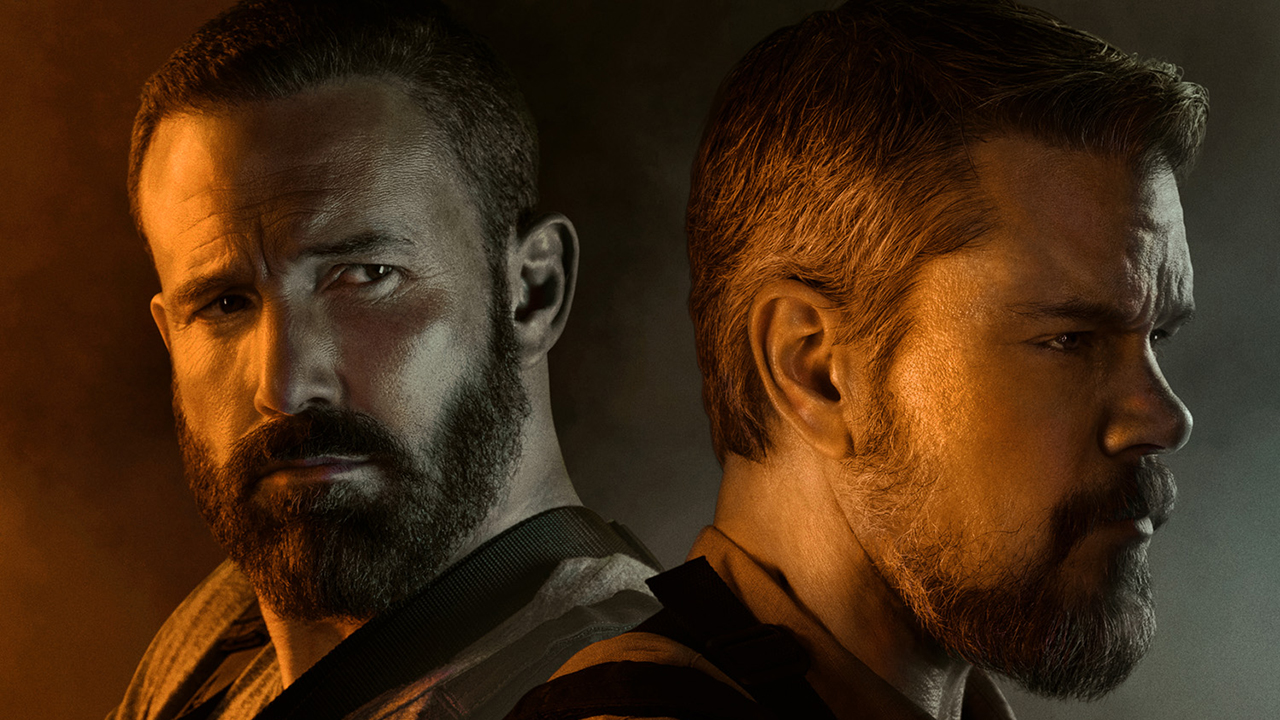
In an era dominated by streaming spectacles, superhero blockbusters, and high-concept franchises, it’s refreshing when a grounded, gritty crime thriller hits the screen with the same intensity and moral complexity as the classic police dramas of the 1970s and ’80s. Joe Carnahan’s latest feature, “The Rip”, is such a film: a taut, tightly constructed Miami-based thriller that thrives on suspense, paranoia, and the murky ethics of law enforcement. Anchored by powerhouse performances from Matt Damon and Ben Affleck, the film explores loyalty, betrayal, and the ethical gray zones that define modern policing.
Carnahan, known for his explosive crime thriller Narc (2002), as well as genre forays like The A-Team reboot (2010) and the inventive time-loop action of Boss Level (2020), returns here to the intimate, tense, and character-driven storytelling that first defined his reputation. In “The Rip”, he strips away the excess of spectacle to focus on human drama under extreme pressure, drawing the viewer into a claustrophobic world where trust is scarce, danger is omnipresent, and moral certainty is an illusion.
A Miami Police Department on Edge
The film opens with a brutal, almost jarring sequence: the murder of Captain Jackie Velez (Lina Esco) in Miami, establishing both stakes and tone. This initial act of violence immediately signals that “The Rip” is not concerned with sanitized heroics or simplistic morality tales. Instead, it invites the audience into a police world rife with tension, internal politics, and the shadow of betrayal.
Enter Lieutenant Dane Dumars (Matt Damon) and Detective Sergeant J.D. Byrne (Ben Affleck), seasoned, weary officers in the narcotics division. Damon and Affleck, who also serve as producers via their Artists Equity production company, bring decades of collaborative chemistry to their roles. Their familiarity allows the film to explore subtle emotional nuances, from quiet camaraderie to simmering tension, without heavy-handed exposition.
Carnahan’s writing ensures that both characters feel lived-in and grounded. Dumars and Byrne are tired, burdened not only by the dangers of the job but by the psychological toll of their work. They are cops who lament the absence of “real” police work, nostalgic for a time when justice felt tangible, echoing the lamentations of characters in The Wire. This layer of realism gives “The Rip” a texture that elevates it above conventional procedural thrillers.
A Web of Suspicion and Moral Ambiguity
The plot is triggered by a tip-off: a stash of dirty money hidden in a safehouse, possibly linked to a powerful drug cartel. What follows is a tense, morally ambiguous investigation that forces Dumars, Byrne, and their team to navigate a labyrinth of deception, internal betrayal, and high-stakes danger.
Carnahan constructs the narrative like a ticking time bomb. The film’s suspense comes not only from the looming external threat—cartel operatives with machine guns—but from the internal dynamics of the police team itself. Who can be trusted? Who is compromised? These questions form the moral backbone of the film. Dumars’ tattooed finger initialisms, “A.W.T.G.G.” (“Are we the good guys?”) and “W.A.A.A.W.B.” (“We are and always will be”), serve as symbolic reminders of the ethical ambiguities the film examines. Every choice carries weight; every alliance is precarious.
This focus on moral murkiness sets “The Rip” apart from standard cop thrillers. Carnahan portrays a modern police department acutely aware of its own public image, aware that unions, bureaucracy, and politics shape who stays, who is reassigned, and who faces consequences. The tension is heightened by Internal Affairs and federal scrutiny, giving the narrative a sense of immediacy and realism that resonates far beyond the bounds of the plot.
Performances: Damon and Affleck at Their Best
While the script and direction provide the film’s skeletal structure, it is the performances of Damon and Affleck that give “The Rip” its emotional and narrative muscle. Damon’s portrayal of Dumars balances authority, vulnerability, and simmering frustration. His performance exudes a quiet intensity, a sense of a man constantly weighing duty against conscience. Affleck’s Byrne complements him perfectly: grizzled, occasionally sardonic, and emotionally complex. Together, their dynamic anchors the film, giving the audience both a lens into the narrative and a reason to care deeply about the outcomes.
Supporting performances, including Lina Esco as the tragically fallen Captain Velez and a strong ensemble of Miami PD officers, enhance the film’s sense of realism. Each character feels fully realized, even in brief scenes, which heightens the suspense and the emotional stakes. The dialogue crackles with authenticity, blending procedural detail with philosophical reflection on justice, loyalty, and survival in a morally compromised environment.
Tight Direction and a ’70s-Era Aesthetic
Carnahan’s direction in “The Rip” is precise and purposeful, emphasizing tension over spectacle. The film’s visual style recalls the police thrillers of the 1970s, with its gritty, urban textures, hand-held camera work, and immersive framing. Miami is presented not as a tourist postcard but as a city of heat, shadows, and constant motion—perfectly suited to a story steeped in paranoia and moral uncertainty.
The director excels at balancing action with introspection. The film’s siege sequences, particularly when the team investigates the safehouse, are tense and claustrophobic, evoking the feel of Assault on Precinct 13. At the same time, quieter moments—Dumars in his office, reflecting on past cases, or engaging in subtle exchanges with colleagues—allow the moral complexity of the story to take center stage. Carnahan never rushes these sequences, giving the audience space to consider the characters’ ethical dilemmas alongside them.
Script and Narrative: Twists, Turns, and Suspense
The script, co-written by Carnahan himself, is a standout feature of the film. It is twisty, unpredictable, and structured to keep audiences guessing. The narrative oscillates between moments of intense action and quieter, character-driven beats, creating a rhythm that mirrors the stress and uncertainty of police work.
Plot twists are frequent but organic, emerging from the characters’ decisions rather than contrived exposition. This gives the film a propulsive quality; viewers remain engaged not only by the external threat of cartel violence but by the internal conflict and ethical dilemmas faced by Dumars and his team. The interplay between suspense and moral inquiry ensures that the tension remains high throughout, even when the literal stakes—guns, chases, and shootouts—take a temporary backseat.
Themes: Ethics, Loyalty, and the Nature of Justice
One of the most compelling aspects of “The Rip” is its exploration of police ethics in contemporary society. The film is acutely aware of modern law enforcement’s challenges: public scrutiny, bureaucratic interference, and the complex interplay of personal and professional loyalties. Through Dumars’ perspective, the audience confronts questions that resonate far beyond Miami’s city limits.
Who is “clean”? Who is “dirty”? How far should one go in pursuit of justice? The moral ambiguity is reflected not only in the characters’ actions but in the structural tension of the plot. Carnahan avoids easy answers, instead allowing these ethical dilemmas to unfold naturally through the story. The tattooed initials on Dumars’ fingers, a clever visual motif, serve as recurring reminders that the line between right and wrong is rarely clear-cut.
Action and Climactic Sequences
While much of the film’s strength lies in its character work and moral inquiry, “The Rip” also delivers tense, kinetic action sequences. The safehouse siege is a standout, combining tight choreography with narrative tension. The climactic car chase and extended shootout, though arguably more conventional than the earlier, character-driven suspense, still provide adrenaline-fueled payoff.
These sequences illustrate Carnahan’s understanding of balance: he allows tension to build organically through character dynamics before releasing it in set-piece action, rather than relying solely on spectacle. However, the third act’s reliance on these conventional tropes slightly diminishes the originality seen in the earlier portions of the film, a minor flaw in an otherwise tightly constructed thriller.
Cultural and Cinematic Context
“The Rip” situates itself firmly within a long lineage of police dramas, drawing inspiration from both classic American cinema and modern real-world concerns. The moral ambiguity recalls Sidney Lumet’s Serpico, while the urban tension and ensemble character work evoke Michael Mann’s Heat. Yet the film also engages with contemporary issues: the role of unions, the visibility of police corruption, and the shifting public perception of law enforcement.
By grounding its narrative in both character and context, the film achieves a sense of timeless relevance. It is a thriller for audiences who crave more than surface-level action—viewers who appreciate the moral complexity, ethical inquiry, and character-driven suspense that defined the best police dramas of previous decades.
Strengths and Weaknesses
Strengths:
- Outstanding performances from Damon and Affleck, combining natural chemistry with emotional depth.
- A tightly constructed script filled with twists, ethical dilemmas, and suspenseful beats.
- Direction that skillfully balances claustrophobic tension with panoramic cityscapes.
- Thoughtful exploration of morality, loyalty, and justice in a modern police environment.
- Effective supporting cast and attention to procedural detail.
Weaknesses:
- The final act leans on more conventional action tropes, which slightly diminishes the originality of the preceding sequences.
- Some subplots, though compelling, receive less narrative space than they might warrant, leaving minor threads underexplored.
Conclusion: A Thoughtful Thriller for the Modern Era
Ultimately, “The Rip” succeeds as a gripping, morally intricate crime thriller. Joe Carnahan returns to the grounded, character-driven storytelling that first defined his career, blending suspense, ethical ambiguity, and vivid characterization into a film that feels both contemporary and timeless. Damon and Affleck anchor the film with performances full of humanity, wit, and moral complexity, ensuring that audiences are as invested in the characters as in the plot itself.
While the film’s climax leans slightly toward conventionality, this is a minor blemish on a work that otherwise balances tension, suspense, and ethical inquiry with remarkable skill. “The Rip” is a compelling exploration of the cost of loyalty, the hazards of deception, and the complex moral calculus of policing in a world that is never purely black or white. For fans of intelligent, character-driven thrillers, it is a must-watch—a modern potboiler in the grand tradition of classic American police dramas.