
Rental Family Review: Brendan Fraser Shines in a Heartfelt Exploration of Human Connection
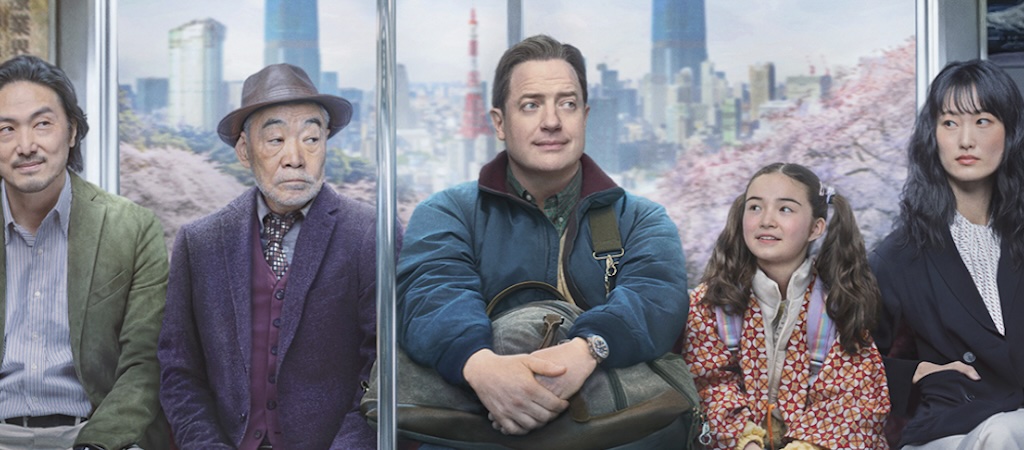
In a cinematic landscape dominated by spectacle and formulaic storytelling, few films manage to carve out a quiet space that speaks so intimately to the subtleties of human emotion as “Rental Family” does. Directed by Hikari, this Tokyo-set drama stars Brendan Fraser as Phillip, a gentle American actor navigating the peculiar and morally complex world of Japan’s professional “rental family” industry. Over its 110-minute runtime, the film balances humor, melancholy, and moral ambiguity with a tenderness that is both refreshing and occasionally indulgent.
At its core, “Rental Family” presents a simple yet profound premise: a company hires actors to temporarily become members of a client’s family or social circle. From standing in as mourners at funerals to assuming the role of a spouse or estranged parent, these professionals sell emotions that many clients cannot otherwise access. Fraser’s Phillip is the company’s token white American, a quiet observer and participant in a system designed to simulate intimacy, affection, and support. Yet, as with many human interactions, genuine connection emerges in the most unlikely places.
A Concept that Feels Both Strange and Familiar
The first time the audience encounters the rental family business, its strangeness is almost theatrical. Japan has a documented, real-life market for such services—companies that employ actors to perform social roles for clients, from grieving relatives to pretend partners. The film embraces this quirkiness without sensationalism, allowing the premise to breathe naturally into Phillip’s story.
For fans of Japanese auteur Hirokazu Kore-eda, the film’s thematic DNA is immediately recognizable. Kore-eda’s works, such as After Life and Shoplifters, explore the delicate terrain of human connection, memory, and the morality of constructed relationships. “Rental Family” echoes this sensibility, blending quiet observation with emotional depth. Simultaneously, there is a touch of Nathan Fielder’s The Rehearsal—the absurdity of constructed reality juxtaposed with the genuine vulnerability of the participants, although Fraser’s film leans more heavily on sentiment than satire.
Brendan Fraser: A Quiet Force Anchoring the Film
Any discussion of “Rental Family” is incomplete without acknowledging Fraser’s performance. In the role of Phillip, Fraser exhibits a remarkable emotional accessibility, combining playfulness with introspective depth. His physicality—gentle, sometimes awkward, always precise—underscores his character’s inner conflicts. Phillip is an actor whose profession is to deceive, yet Fraser imbues him with a moral consciousness that makes his deceptions feel empathetic rather than manipulative.
The complexity of his character emerges in small gestures: a lingering glance at the young girl he is pretending to be the father of, a hesitant smile when he connects with a client, a quiet moment of ethical questioning in his hotel room. Fraser’s performance reminds audiences of his versatility, echoing the raw vulnerability he displayed in The Whale, but here within a lighter, culturally specific context. He is the sun around which the film’s emotional gravity orbits, capable of carrying both comedy and pathos with equal conviction.
The Moral Ambiguities of “Selling Emotion”
The central conceit of the rental family business raises immediate ethical questions, and Hikari’s direction does not shy away from them. Clients come to the company seeking emotional experiences they cannot attain naturally—grief, reconciliation, affirmation. The film is candid about the potential harm this industry can inflict, particularly in scenarios where Phillip or his colleagues must act as a verbal punching bag, as in the case of a mistress enduring abuse from a wronged wife.
Yet the film refrains from descending into cynicism. Instead, it dwells in the tension between authentic human connection and performative intimacy. One of the most affecting sequences involves Phillip interacting with Mia, a young girl whose mother wants her enrolled in an elite school. The emotional stakes feel real; the child’s innocence contrasts sharply with the artificiality of Phillip’s role. Fraser conveys the character’s inner struggle with subtlety, allowing viewers to sense the rotation of his moral compass as he weighs the consequences of deception against the potential for genuine care.
Supporting Characters and Narrative Depth
While Fraser dominates the narrative, the film skillfully introduces subplots that enrich the tapestry of the rental family world. Mari Yamamoto plays Aiko, a scorned woman-for-hire, whose interactions with clients reveal the more nuanced and sometimes darker aspects of the industry. Through these supporting narratives, the audience glimpses the broader emotional labor involved in “selling emotion.” Each character is a study in restraint and yearning; some moments are heartbreaking, others quietly humorous, reflecting the ordinary contradictions of human life.
These smaller arcs also emphasize cultural specificity. The Japanese setting—its architecture, public rituals, and social etiquette—acts as both a backdrop and an unspoken character, shaping how Phillip and his colleagues navigate relationships. The film celebrates everyday Japanese life while underscoring the universality of loneliness, desire for connection, and ethical dilemmas.
Visual Style and Cinematography
Hikari’s direction is understated yet meticulous. Long takes and observational framing allow moments to unfold organically, letting the audience absorb the subtleties of character interaction. The Japanese urban landscape is captured with gentle warmth, contrasting the artificiality of the rental family business with the authenticity of the streets, cafés, and parks where Phillip forms real bonds. The cinematography avoids melodrama, instead favoring a quiet intimacy that mirrors the film’s thematic exploration of emotional truth versus pretense.
Lighting and color palettes are deliberately soft, complementing Fraser’s warm presence. The film’s pacing allows both comedic beats and reflective pauses to breathe, though some critics may argue that the sentimentality occasionally edges into mawkishness. Yet this is offset by the sincerity of the performances and the understated humor peppered throughout the film.
Themes and Reflections on Human Connection
At its heart, “Rental Family” is a meditation on the ways humans seek connection, the value of empathy, and the ethical lines we navigate when intimacy is commodified. The film prompts questions such as: Can emotional labor ever be authentic? Is connection diminished if it is paid for? And yet, in Phillip’s journey, it becomes evident that even staged relationships can evoke genuine affection and growth.
The story also reflects on cultural differences and the universality of loneliness. Phillip, an American in Tokyo, is both an outsider and a bridge, highlighting the contrast between his worldview and the subtleties of Japanese social dynamics. Through his eyes, the audience witnesses the small miracles of human interaction—shared laughter, moments of trust, and fleeting acts of kindness—within an environment designed to simulate emotion for a fee.
Strengths and Limitations
Strengths:
- Fraser’s charismatic, empathetic central performance.
- Thoughtful exploration of ethical ambiguity and emotional labor.
- Strong supporting performances that flesh out the rental family world.
- Beautifully observed Japanese settings and cultural textures.
- Gentle, introspective cinematography that enhances the narrative’s emotional resonance.
Limitations:
- The film occasionally veers into sentimentality, potentially alienating viewers who prefer a more restrained tone.
- Some subplots are shorter and lightly developed, leaving narrative threads that could have been explored further.
- While the premise is fascinating, the execution sometimes struggles to maintain the tension and moral complexity promised by the concept.
Comparisons and Cultural Context
For cinephiles, “Rental Family” offers a unique confluence of influences. It resonates with Kore-eda’s realism, Fielder’s meta-theatrical absurdity, and Fraser’s capacity for emotionally complex performances. The film also taps into a broader, real-world phenomenon in Japan, where rental services for emotional and social experiences reflect both cultural norms and societal pressures. This grounding in reality gives the film a weighty, reflective dimension absent from purely fictional dramas.
Conclusion: A Heartfelt Exploration of Connection
Ultimately, “Rental Family” succeeds in its central ambition: to examine the delicate, sometimes messy, pursuit of connection in a world where emotions can be bought and sold. Brendan Fraser is a luminous presence, navigating the ethical dilemmas of his character with warmth, sincerity, and nuanced vulnerability. While the film occasionally leans toward sentimentality, it remains a tender, humane exploration of morality, loneliness, and the ways people seek to belong.
For audiences willing to embrace a slower, reflective pace, “Rental Family” is a quietly affecting reminder that even in worlds constructed for convenience or profit, genuine human connection can emerge in the most unexpected ways. Fraser, Hikari, and the ensemble deliver a cinematic experience that lingers after the credits roll, offering both warmth and food for thought—qualities that make this Tokyo-based drama a standout in contemporary cinema.