
MLWBD Jay Kelly Review – George Clooney Shines in Noah Baumbach’s Wistful, Old-School Ode to Identity
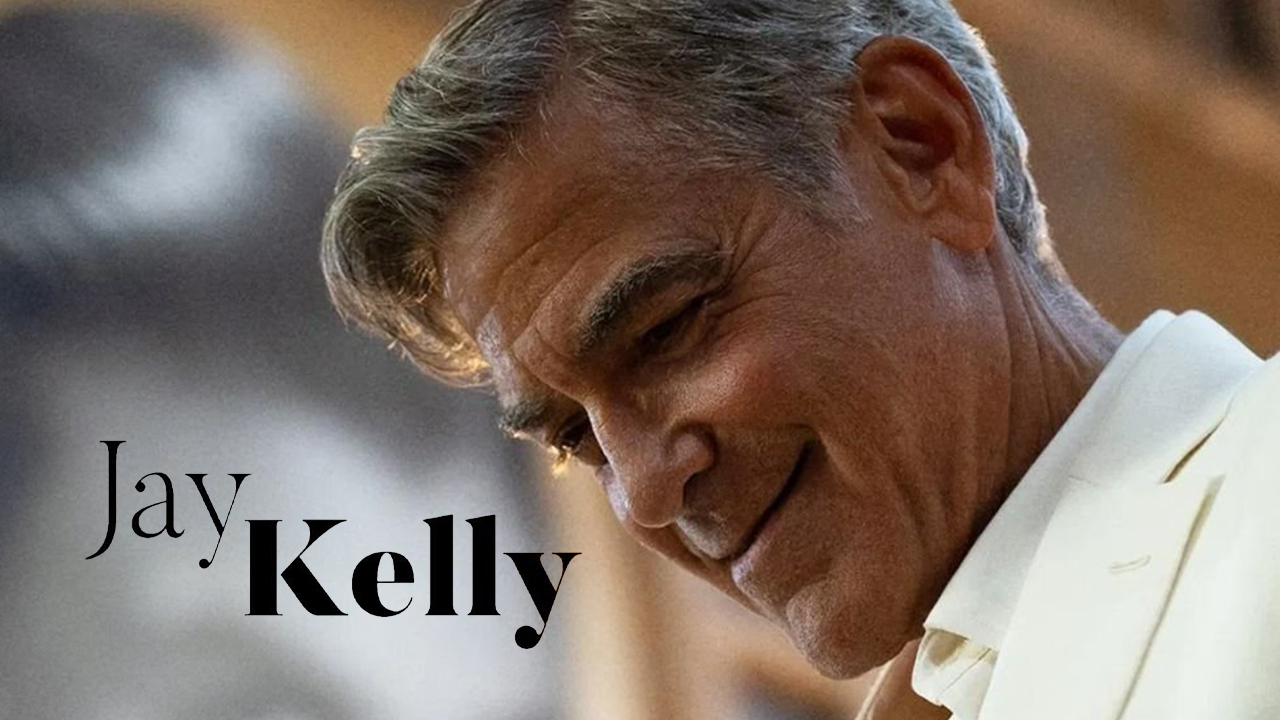
In an era where Hollywood often feels dominated by franchises, CGI spectacle, and IP-driven machinery, a film like Jay Kelly feels almost shockingly intimate. It is a story that does not try to be epic. It does not chase the zeitgeist. Instead, it invites viewers into something quieter, gentler, and ultimately more fragile: the emotional odyssey of a man trying to remember who he really is.
For audiences discovering the film through streaming platforms like MLWBD, this MLWBD Jay Kelly Review examines why Noah Baumbach’s latest feature—crafted with longtime collaborator Emily Mortimer—may be slight in narrative heft but resonates deeply as a soulful, lingering meditation on aging, regret, fame, and the strange burden of being yourself.
At its heart lies George Clooney, returning to full movie-star form in a role that fits him with uncanny precision: a beloved, world-weary Hollywood icon grappling with the hollowness behind his charm. It is a performance steeped in charisma yet edged with melancholy—a reminder that Clooney, even with his decades of acclaim, can still surprise us.
The Mirror Scene: A Thesis in Miniature
Early in the film, Clooney’s Jay Kelly stands in the cramped, rattling toilet of a European train, gazing into a mirror. It is here that the film’s emotional thesis crystallizes. He recites the names of golden-age icons—Cary Grant, Clark Gable, Gary Cooper—each name a memory of a time when movie stars were more myth than man. Then he tries out his own name, over and over, intoning it like an actor rehearsing a line he doesn’t quite believe.
The moment echoes the film’s opening quote from Sylvia Plath:
“It’s a hell of a responsibility to be yourself.
It’s much easier to be somebody else, or nobody at all.”
This is the central conflict of Jay Kelly: a man who has spent so long performing that the performance has become the person. When he removes the spotlight, what remains?
A Movie Star in the Twilight of Stardom
George Clooney has spent recent years more often behind the camera than in front of it. Aside from projects like Wolfs and his ever-popular Nespresso presence, Clooney has embraced directing—a choice many actors of his stature eventually gravitate toward.
But Jay Kelly reminds us what we have always known: Clooney is a true movie star, one of the last of a dying breed. There is an effortless elegance to his presence, a glimmer of old-world Hollywood charm that no amount of modern cynicism can extinguish. Baumbach and Mortimer tailor the character of Jay specifically for him, crafting a role that feels as though Clooney is playing both a fictional persona and an alternate version of himself.
Jay is adored everywhere he goes. Fans swarm him in train cars. Tourists ask for selfies in Tuscan plazas. A group of backpackers giggle at his every joke. Yet the adoration only highlights his emptiness. Jay knows how to be charming, how to be dazzling, how to be the hero in the story. What he doesn’t know—despite decades of fame—is who he is when the applause stops.
A Midlife Crisis in Motion: The Journey Through Europe
When Jay’s younger daughter Daisy (Grace Edwards) departs on a gap-year adventure through Europe, it triggers a profound sense of loss. Her absence exposes the years he spent prioritizing film sets, press tours, glamorous parties, and fleeting relationships over real connection. Acutely aware of his failures as a father—and terrified of becoming irrelevant—Jay impulsively abandons his latest film shoot and follows Daisy across the continent.
This impulsiveness is typical of Jay. He remains, in many ways, a teenager in the body of a silver-haired heartthrob. His managers and handlers instantly panic, none more so than Ron (Adam Sandler), his devoted, anxious, long-suffering manager. Liz (Laura Dern), his endlessly patient publicist, tags along as well, partly out of professional obligation and partly because she genuinely cares about him.
Their journey takes them through Tuscany, onto trains filled with everyday travelers, into sun-drenched vineyards, family-run cafés, and bustling European stations—all places where Jay oscillates between starstruck adoration and moments of profound self-doubt.
A Film That Glows With Charming Familiarity
Baumbach is at his best when writing characters in transition—emotionally stunted men, neurotic creatives, fractured families, and individuals afraid to look inward. Jay Kelly fits neatly into his oeuvre, referencing the director’s long-standing fascination with identity, self-deception, and personal reinvention.
The film blends the humor of Baumbach’s earlier works (The Squid and the Whale, While We’re Young) with the romantic melancholy of European cinema. Its aesthetic DNA is unmistakably influenced by Fellini’s 8½, an iconic meditation on artistic exhaustion and existential crisis. But Jay Kelly is lighter, less surreal, more accessible. It’s a warm, breezy film, glowing with affection for its protagonist even when critiquing him.
And yet, for all its charm, warmth, and glossy escapism…
the film can feel thin.
Its thematic ambitions sometimes exceed its emotional impact. Baumbach appears hesitant to push Clooney into darker or more unflattering territory—even though the narrative begs for that bite.
Adam Sandler: A Quiet, Award-Worthy Revelation
If Clooney is the film’s heart, Sandler is its exposed nerve.
As Ron, Sandler gives one of the most vulnerable performances of his career. This is not the comedic Sandler, nor the volcanic eruption of Uncut Gems. Instead, we see a man who has shaped his entire identity around loyalty—perhaps misplaced loyalty—to a star who barely understands the depths of that devotion.
Ron’s co-dependency with Jay is portrayed with tenderness and pathos. He is desperate to be seen, truly seen, by the person whose career he has protected with ferocious commitment. Sandler’s understated emotionalism hints at a lifetime of small sacrifices, unspoken frustrations, and longing for reciprocated connection.
It’s no exaggeration to say that Sandler steals every scene he’s in.
Laura Dern and Emily Mortimer: The Steadying Voices
Laura Dern brings her signature sharp wit and emotional intelligence to Liz, the publicist who functions as Jay’s conscience. She tempers his egocentric impulses, but without cynicism; she knows Jay’s flaws better than anyone and still chooses to stay in his orbit.
Emily Mortimer, though more prominent behind the scenes as co-writer, appears in flashbacks that reveal Jay’s troubled family history. Though the film attempts to unpack the wounds that shaped him—estrangement from his older daughter, betrayal of a friend, emotional cowardice—these flashbacks feel fleeting, often lacking the dramatic punch they promise.
The Film’s Biggest Weakness: A Reluctance to Criticize Its Star
There is a sense, throughout Jay Kelly, that Baumbach is soft-pedaling.
Unlike Marriage Story or The Squid and the Whale, where Baumbach dissected ego and insecurity with surgical precision, here he seems cautious—perhaps too cautious—about making Clooney look bad. Jay’s bad behavior is treated with affectionate indulgence. His emotional wounds are acknowledged but not probed deeply. His crises are touched upon but never confronted head-on.
The satire that often defines Baumbach’s work is gentler here, the edges sanded down. This may make the film more palatable and romantic, but it also prevents it from reaching the existential heights it aspires to.
Flashbacks That Strain to Matter
The film frequently cuts to interwoven flashbacks—stylized sequences into which Jay physically steps, observing younger versions of himself. These scenes reveal:
- how Jay betrayed his best friend (Billy Crudup) to land his first major role
- why he pushed away his older daughter
- how his marriages dissolved
And while beautifully shot, they lack dramatic urgency. They feel like narrative obligations rather than emotional revelations, never achieving the catharsis they seem designed to deliver.
Aesthetic Splendor: Europe as Emotional Canvas
One undeniable pleasure of Jay Kelly is being swept across Europe. Tuscany, Florence, Rome, and the European countryside become extensions of Jay’s inner journey. The cinematography captures:
- the golden hues of Tuscan evenings
- the crisp quiet of train compartments
- the shimmering cobblestones of Italian plazas
- sunlit vineyards that feel almost dreamlike
This visual escapism pairs well with the film’s gentle romanticism, making Jay Kelly feel like a cinematic vacation—light, effervescent, enjoyable, but not deeply filling.
Much like a glass of Prosecco, as one critic noted.
The Emotional Resonance: What the Film Gets Right
Despite its shortcomings, Jay Kelly succeeds in creating moments of genuine emotional impact:
1. The Fear of Becoming Irrelevant
Jay’s desperate attempts to reconnect with his daughter are painful, funny, and incredibly human.
2. The Burden of Performance
Jay has been playing “Jay Kelly” for so long that he no longer knows how to stop.
3. The Loneliness of Stardom
Clooney captures the ache of a man who can charm millions but fails to maintain intimate relationships.
4. The Fragility of Male Friendship
The Ron–Jay dynamic is one of the richest relationships in the film, layered with decades of unspoken dependency.
Clooney’s Swan Song?
The film plays like a meta-commentary on Clooney himself—his legacy, his aging, his relationship with fame. If Clooney were ever to step away from acting, Jay Kelly would make for a fitting, graceful swansong.
But let’s hope he doesn’t.
This film reminds us how much he still has to offer.
Final Verdict – MLWBD Jay Kelly Review
Jay Kelly is wistful, polished, charming, and full of affection for its protagonist. It is beautifully acted, visually luxurious, and emotionally gentle.
Yet it is also light, almost too light. The film teases emotional depth but rarely dives in fully. Baumbach’s trademark sharpness is dulled, replaced by a sentimental glow.
Still, the film is undeniably enjoyable.
- Clooney is magnetic.
- Sandler is revelatory.
- Dern and Mortimer ground the film with elegance.
- The European landscapes enchant.
MLWBD Jay Kelly Review Final Score: 8/10
A polished, heartfelt, though slightly superficial journey of self-reflection—a cinematic Prosecco: sparkling, delightful, but gone too soon.